How to Campaign Effectively for Local Change
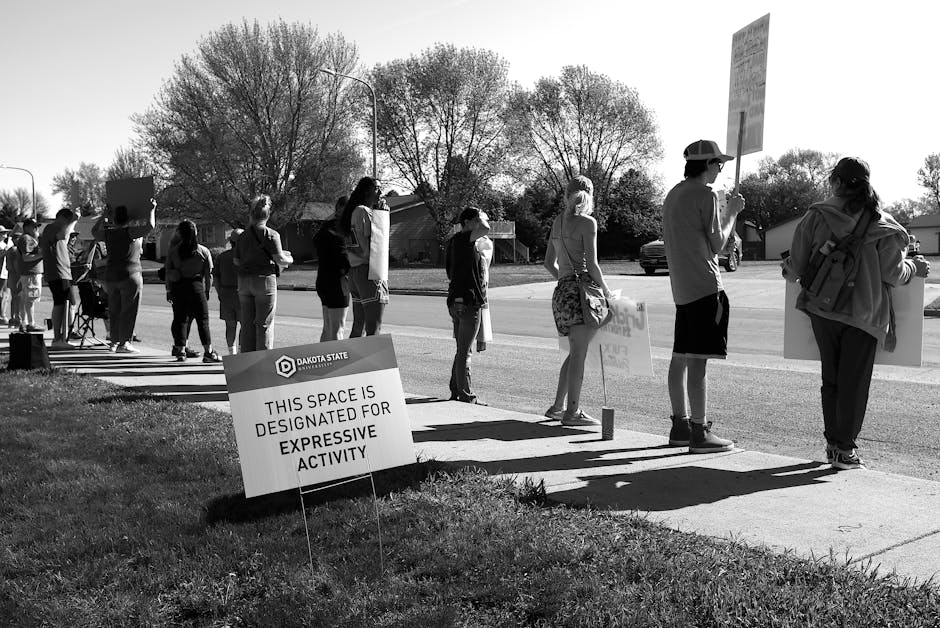
If you care about something in your community, you don't have to accept the status quo. Effective campaigning has changed everything from traffic patterns to public services across the UK. Whether you're fighting for a new bus route, better street lighting, or protection of a local green space, there are proven methods to make your voice heard.
The first step is to clearly define your objective. Vague complaints rarely lead to action, but specific, measurable goals do. Instead of "improve the park", aim for "install new play equipment" or "fix the broken fence". This clarity helps you communicate your case and measure success.
Building your campaign team:
- Start with friends and family who share your concern
- Use local social media groups to find supporters
- Connect with established community organisations
- Reach out to local businesses who might benefit
- Engage local schools or youth groups if appropriate
Once you have a core group, gather evidence to support your case. Photographs, statistics, survey results, and personal testimonies all strengthen your position. If you're campaigning about a safety issue, document incidents. If it's about services, collect data showing demand.
Petition signatures remain powerful. A physical petition with hundreds of signatures demonstrates genuine community support. Make it easy for people to sign by setting up tables in local shops, at community events, or online using platforms like Change.org. The more signatures you collect, the harder your case is to ignore.
Media coverage amplifies your message significantly. Local newspapers are often keen to cover community stories, especially those affecting readers. Write a clear press release explaining your campaign, include quotes from supporters, and provide contact details. Radio stations and local TV may also be interested, particularly if your campaign affects many people.
Engage with decision-makers strategically. Contact your local councillors, MP, and relevant council departments directly. Request meetings to discuss your campaign. Attend council meetings where you can often speak during public comment periods. Present your case professionally and focus on solutions, not just problems.
Persistence matters more than you might think. Many successful campaigns took months or years to achieve their goals. Keep momentum by organising regular meetings, updating supporters, and celebrating small victories along the way. Thank people who help, stay positive, and remember that setbacks are temporary.
Finally, be prepared to compromise. Your initial ask might not be achievable, but a partial solution is still progress. Flexibility often leads to faster results than holding out for perfection.